Health Farms Africa
Our Mission is to empower farmers through proven climate-smart agro-ecological technologies and market driven solutions.
Our Values
Partnerships
Collaborative alliances for mutual benefit and shared success.
Teamwork
Shared effort and cooperation towards a common goal.
Inclusivity
Creating an environment where everyone feels valued, respected, and has equal opportunities.
Integrity
Prioritizing client satisfaction with personalized, attentive service.
Sustainability
Meeting needs without harming the future.
About us
Health Farms Africa
Health Farms is a not- for- profit International NGO who main focus is deepening the uptake of Ecological Organic Agriculture in 5 African countries, namely Kenya, Ethiopia, Southern Sudan, Malawi and Mozambique.
READ MORE ABOUT US
The main thrust of our project is to improve livelihoods of Resource poor farmers to adapt to mitigating the effects of climate change to increase income while protecting biodiversity. One of the greatest threats to agriculture in Africa is deforestation and degradation of soils in rural farming areas and lack of extension services to train farmers on the need to protect biodiversity, water sources through practices such as soil conservation and choice of crops that improve human nutrition.
Health Farms Africa is headed by highly qualified Management Board whose experience in various sectors of agriculture in Africa will lead to successful implementation of its projects across the continent.
The Health Farms has four main pillars which we believe will bring a big impact on the lives and livelihoods of farming communities in the selected areas:
Below are Our Main Pillars
Production Of Nutritious And Healthy Food
The main thrust of our project is to improve livelihoods of Resource poor farmers to adapt to mitigating the effects of climate change to increase income while protecting biodiversity. One of the greatest threats to agriculture in Africa is deforestation and degradation of soils in rural farming areas and lack of extension services to train farmers on the need to protect biodiversity, water sources through practices such as soil conservation and choice of crops that improve human nutrition.
Health Farms Africa is headed by highly qualified Management Board whose experience in various sectors of agriculture in Africa will lead to successful implementation of its projects across the continent.
The Health Farms has four main pillars which we believe will bring a big impact on the lives and livelihoods of farming communities in the selected areas:
Human Health Pillar
The main thrust of our project is to improve livelihoods of Resource poor farmers to adapt to mitigating the effects of climate change to increase income while protecting biodiversity. One of the greatest threats to agriculture in Africa is deforestation and degradation of soils in rural farming areas and lack of extension services to train farmers on the need to protect biodiversity, water sources through practices such as soil conservation and choice of crops that improve human nutrition.
Health Farms Africa is headed by highly qualified Management Board whose experience in various sectors of agriculture in Africa will lead to successful implementation of its projects across the continent.
The Health Farms has four main pillars which we believe will bring a big impact on the lives and livelihoods of farming communities in the selected areas:
Soil Health
All farmers registered under the programme will be trained on soil conservation measures that will help reduce the loss of top soil. Each farmer under the programme will be required to do soil tests through our laboratories, a service that will be provided free of charge. In steep farming areas farmers will trained on the building of terraces, bunds and how to created benches that reduce soil erosion including sustainable crop production methods that reduce soil erosion such as no till agriculture.
Water sources
Pollution of water sources is the main source of water diseases such as diarrhoea, cholera, typhoid, amoebiosis etc. The programme will ensure all water sources in project areas are protected through planting of trees such as bamboo tree, fencing of springs and treatment of water in severely affected areas.
Seed nurseries
In each project area, the programme will set up tree nurseries where can buy both tree and fruit seedlings at a subsdised price. In the pilot phase of the tree planting project, farmers will be trained on management of both fruit and indigenous trees. They will be regularly monitored and advised on tree management until the third year to gauge the number of trees that have survived- this be recorded to gauge tree survival rates under the right agroforestry practices. The Result Based Agroforestry Project (REBAFOR) will be replicated in other areas to ensure at least 70 percent of all trees planted attain maturity.
Less than 5% per cent of all trees planted in Kenya through government supported programmes do not survive to maturity which makes all policy pronouncement government and other non-stake holders appear hollow. Many African farmers on the other hand do not plant trees. So in many rural areas, the rate of deforestation due to increasing population and demand for trees for building material and fuelwood far outstrips the number of trees being planted.
In addition to the above measures, Health Farms Africa will develop metrics to measure the performance of agroforestry projects in all project areas which the organization can use to gauge the success or otherwise of the programme.
Energy Technology Unit
In all project areas the Health Farms Programme will set up energy Technology Unit which will introduce various technologies that help save energy to reduce the pressure on trees. The project will work hand in hand with the government to set up laws that will govern the issue of biodiversity conservation.
Post-Harvest Technologies
The main thrust of our projects is to help improve the livelihoods of resource poor farmers to ensure that what they harvest is stored in the right way by using indigenous post-harvest storage technologies and introducing latest lost cost technologies to protect their harvest and prevent loss adapt to the mitigation of the effects of climate change to increase crop yields while protecting biodiversity.
One of the greatest threats to agriculture in Africa is the problem of post-harvest losses. Research shows that small-scale farmers loss more than 40 percent of their harvest due to lack of proper post-harvest storage methods (FAO 2023).
Resolving the problem of post-harvest losses therefore becomes the most urgent obvious point of intervention to reduce the losses to a manageable level that ensures that farmers have adequate food both for consumption and also sale to cater for other needs.
Lack of government extension services to train farmers has greatly contributed to lack of knowledge on the part of farmers on ways to address the challenges facing them that include training on existing new post-harvest technologies that can help them reduce the colossal losses associated with post-harvest storage.
The Health Farms Africa strategy uses on-farm storage technologies, recognizing that much of the post harvest losses start at the farm level, moving along the value chain through handling, transportation and final storage before the crops reach the market and the consumers. At the farm level, most farmers take time to start harvesting when the crops have reached maturity. The delay in harvesting exposes the mature crop to moisture, which enhances rotting, pest damage that leads to further deterioration of the crop before the harvest is stored.
Health Farms Africa undertakes to work with farmers to ensure they understand the benefits of timely harvesting, crop handling during harvest, transportation, sorting and construction of proper storage facilities that protect the crop from moisture and pests, which are to blame for development of Aflatoxins that has led to poisoning and even deaths to farmers and even consumers of invested cereal crops such as maize, groundnuts, millet, sorghum among other cereal crops.
Proper drying and sorting of grain before storage and construction of the right storage sheds using local material to improve aeration during storage can go a long way in reducing crop losses during storage. In all the project target areas, Health Farms Africa will use trained technicians who can help farmers to put up the right storage sheds that stop spoilage of stored grains, including training on new technologies that help reduce grain loss from the field to the storage sheds.
Animal Health and Breeding
The uptake of Artificial Insemination (AI) services is very limited in the Kenya and many African Countries. In Kenya for example, only 10 per cent of the farmers utilise AI services.
Even for those who do the quality of the animals is very poor because of lack of information how AI services work; many of the farmers do not keep records. So the farmers cannot keep track of which bull they selected in previous service, which often leads to a cow receiving the semen from the same bull that was served to its mother, leading to inbreeding. Indeed the problem is so serious that it is no longer possible to tell the breeds of cows farmers now keep because AI services are conducted so arbitrary that both AI providers neither provide advisory services to farmers but are more interested in selling semen rather than education of farmers.
Health Farms Africa intends to restore quality AI services to farmers in all project areas to increase productivity by sourcing high quality semen from the best breeds currently in the market including a digital recording service that will reduce inbreeding while introducing Genetics that are suitable to livestock breeds that are suitable to all parts of the country. This will include breeds that can do well in Northern parts of the Country that comprises more than 80 per cent of Kenya’s land area.
This component will help create awareness of all aspects of livestock farming:
a)
i) Pasture establishment, management, storage and use.
Ii) Calf rearing, feeding, weaning and management to maturity and insemination.
iii) Dairy cow management (vaccination, disease control, feeding, milk production, storage and marketing and value addition.
iv) Dairy goat farming, poultry and pig rearing for small-scale farmers in selected zones to improve family income, diversification and poverty alleviation.
b) Veterinary and AI services
C) Breeding and AI Services.
d) Feed formulation at farm level to reduce cost of production
Our Services
Empowering African farmers through sustainable agriculture.
Ecological Organic Agriculture Training
Providing farmers with knowledge and techniques for sustainable and chemical-free farming practices
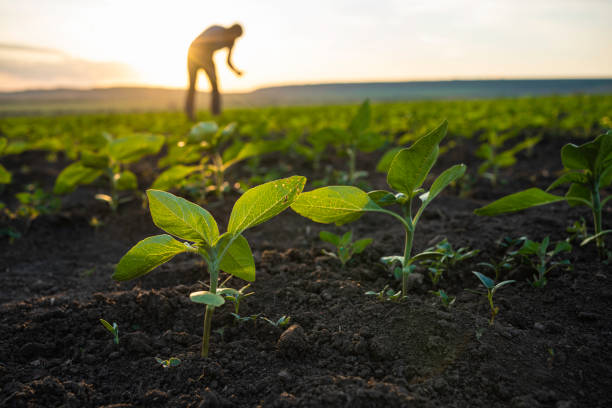
Soil and Water Conservation
Training on methods to improve soil health, reduce erosion, and protect water sources.
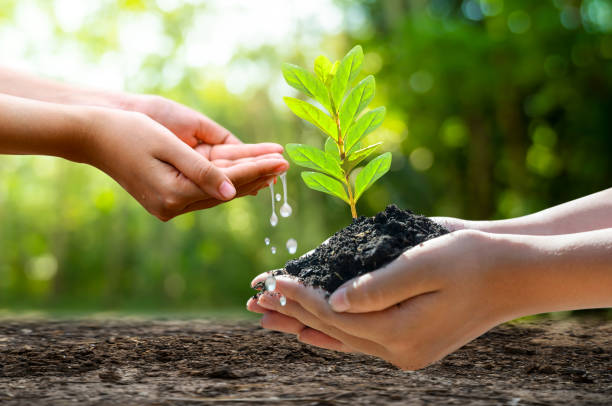
Agroforestry and Seed Nurseries
Establishing tree nurseries and promoting the integration of trees into farming systems

Farmers Advisory and Market Access
Offering guidance on farming practices, market information, and access to quality inputs.

Why Us
Our Core Values
Partnerships
Collaborative alliances for mutual benefit and shared success.
Teamwork
Shared effort and cooperation towards a common goal.
Inclusivity
Creating an environment where everyone feels valued, respected, and has equal opportunities.
Integrity
Prioritizing client satisfaction with personalized, attentive service.
Sustainability
Meeting needs without harming the future.


Testimonials
Reviews from our Farmers
Elizabeth Wairimu
Farmer in Kenya
“Thanks to Health Farms, my soil is healthier, my yields have improved, and my family eats nutritious, chemical-free food.”
We Support
UN SDG goals