
Committed to serving African Farmers.
About Us
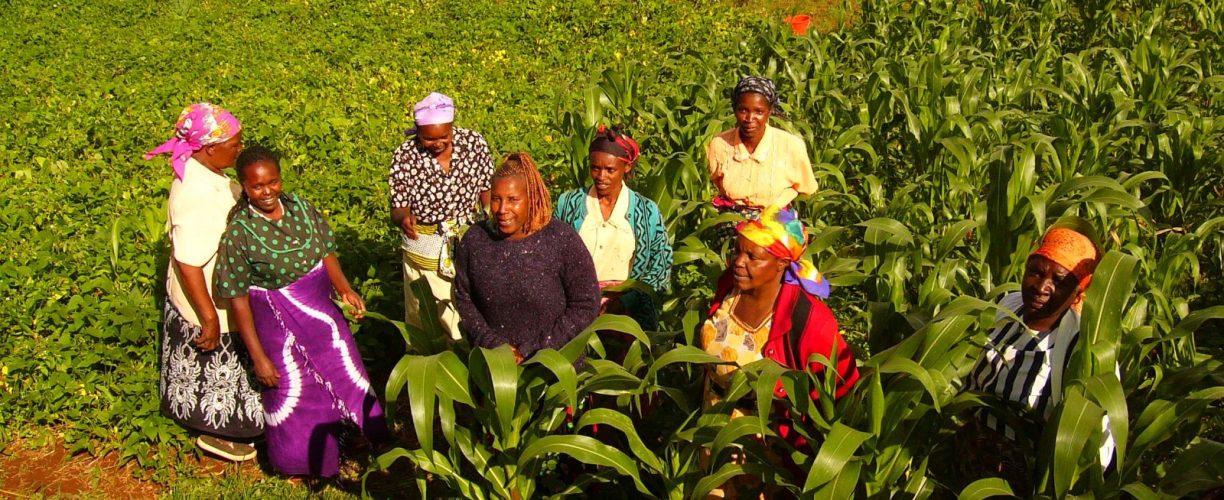
Rooted in a deep commitment to the well-being of African communities and the preservation of the environment, Health Farms Africa emerged from a recognized need to empower resource-poor farmers. Witnessing the challenges of climate change, soil degradation, and limited access to sustainable agricultural practices, we established ourselves as a not-for-profit international NGO. Our journey began with a vision to deepen the adoption of Ecological Organic Agriculture across five key African nations, fostering resilience, improving livelihoods, and safeguarding biodiversity for generations to come.
15
36K
Farmers in Africa
20
Project completed in 5 Countries
Our Values
Our Main Core Values
1. Partnerships
Collaborative alliances for mutual benefit and shared success.
2. Teamwork
Shared effort and cooperation towards a common goal.
3. Integrity
Prioritizing client satisfaction with personalized, attentive service.

The Goal
Our Mission
Our Mission is to empower farmers through proven climate-smart agro-ecological technologies and market driven solutions.
The Outlook
Our Vission
A thriving Africa where empowered farming communities are empowered sustainably cultivate healthy land, ensuring food security, economic prosperity in a healthy environment.
The Team
Meet Our Team

Dr. Patrick Gicheru
Soil Scientist
Chair Advisory Board

Dr. Sevgan S Subramanian
Entomologist/Board Member

Dr. David Karanja
Breeder
Board Member
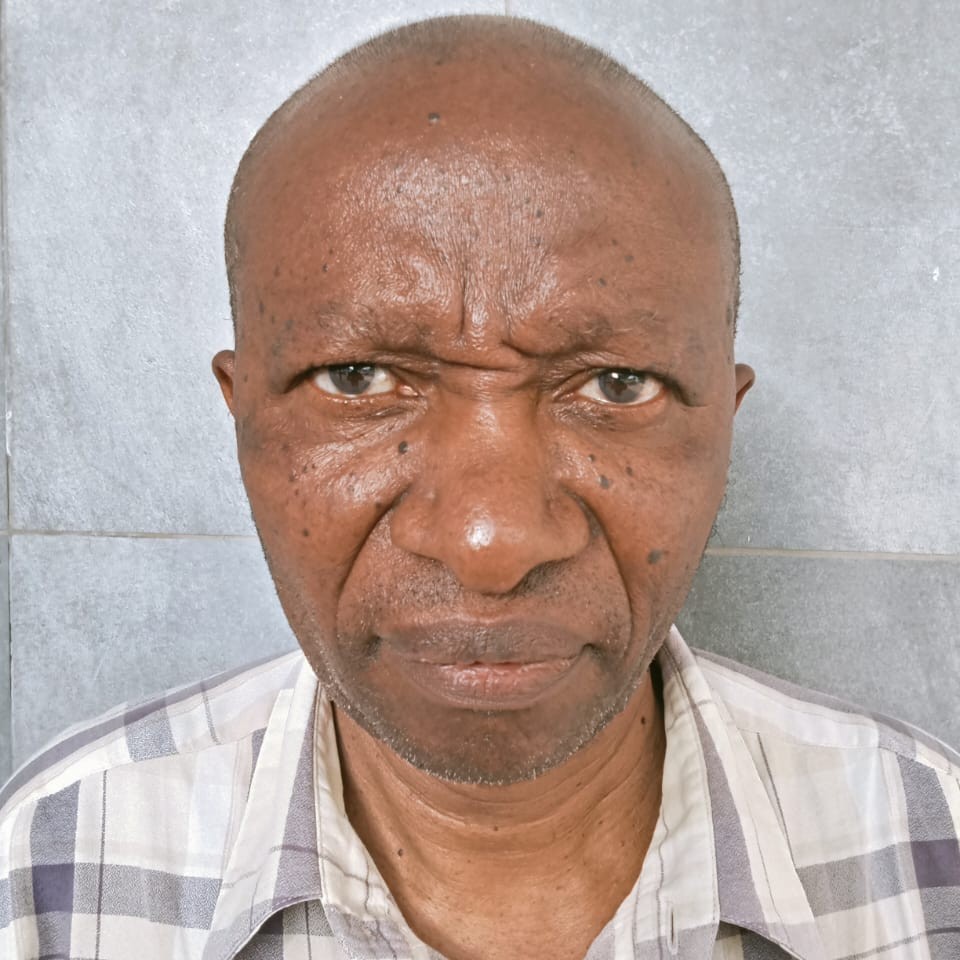
Peter Kamau
Team Leader

Samuel Njongoro Njihia
Lead-Crops Theme
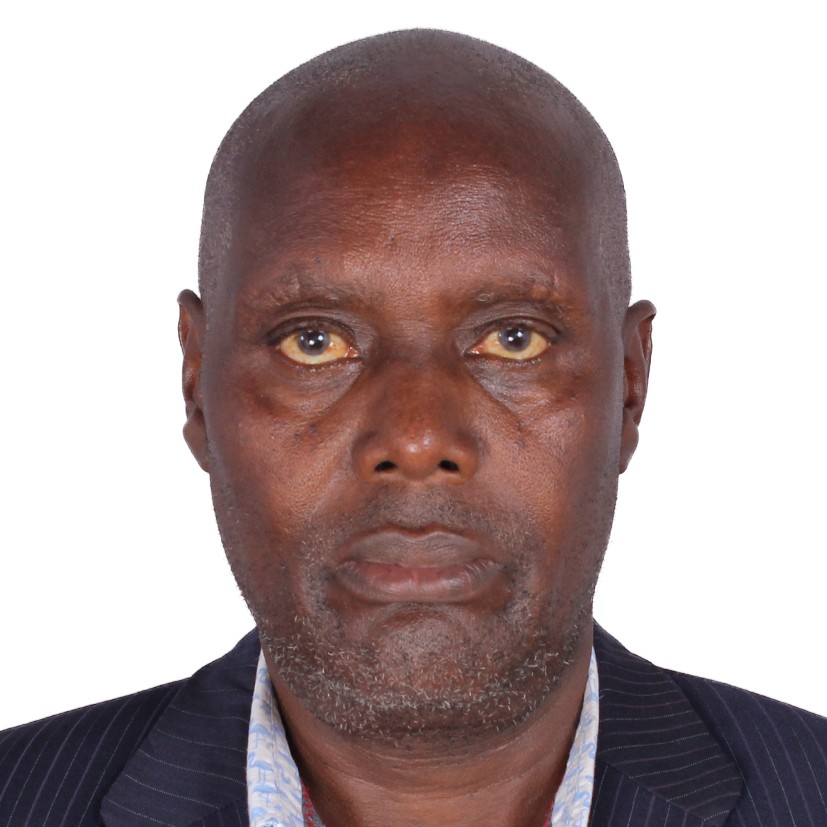
George Wamwere
Chair management committee and Lead Livestock Theme

Berita Mutune
Director Research/Content Manager

Mary Mutisya
Lead Human Nutrition

Lilian Maina
HR & Administration officer

Joseph Mbithi
Lead-Agricultural Extension
Giving Back
Community Involvement
We believe in supporting our community and giving back through various initiatives. Whether it’s volunteering for local garden projects or sponsoring environmental education programs, we are dedicated to making a positive impact.
Our Values
Get To Know More About Us
Post Harvest Losses
The main thrust of our projects is to help improve the livelihoods of resource poor farmers to ensure that what they harvest is stored in the right way by using indigenous post-harvest storage technologies and introducing latest lost cost technologies to protect their harvest and prevent loss adapt to the mitigation of the effects of climate change to increase crop yields while protecting biodiversity.
One of the greatest threats to agriculture in Africa is the problem of post-harvest losses and. Research shows that small-scale farmers loss more than 40 percent of their harvest due to lack of proper post-harvest storage methods (FAO 2023).
Resolving the problem of post-harvest losses therefore becomes the most urgent obvious point of intervention to reduce the losses to a manageable level that ensures that farmers have adequate food both for consumption and also sale to cater for other needs.
Lack of government extension services to train farmers has greatly contributed to lack of knowledge on the part of farmers on ways to address the challenges facing them that include training on existing new post-harvest technologies that can help them reduce the colossal losses associated with post-harvest storage.
The Health Farms Africa strategy uses on-farm storage technologies, recognizing that much of the post harvest losses start at the farm level, moving along the value chain through handling, transportation and final storage before the crops reach the market and the consumers. At the farm level, most farmers take time to start harvesting when the crops have reached maturity. The delay in harvesting exposes the mature crop to moisture, which enhances rotting, pest damage that leads to further deterioration of the crop before the harvest is stored.
Health Farms Africa undertakes to work with farmers to ensure they understand the benefits of timely harvesting, crop handling during harvest, transportation, sorting and construction of proper storage facilities that protect the crop from moisture and pests, which are to blame for development of Aflatoxins that has led to poisoning and even deaths to farmers and even consumers of invested cereal crops such as maize, groundnuts, millet, sorghum among other cereal crops.
Proper drying and sorting of grain before storage and construction of the right storage sheds using local material to improve aeration during storage can go a long way in reducing crop losses during storage. In all the project target areas, Health Farms Africa will use trained technicians who can help farmers to put up the right storage sheds that stop spoilage of stored grains, including training on new technologies that help reduce grain loss from the field to the storage sheds.
Farmers Advisory Centre
Lack of government supported agricultural extension is a big problem since donors withdrew support. Even where such services are provided very few extension officers are available to help train farmers. Health Farms Africa will work closely with farmers in all project areas to set up Farmer Advisory Centres to help farmers involved in various agricultural value chains to ensure farmers are adequately trained to improve production, storage and even marketing of their farm produce.
Human Health
Malnutrition is a key problem facing many people in rural farming communities in Africa. This is specially so for pregnant mothers and children under five years. Under this pillar, Health Farms Africa will work closely with farmers to introduce the issue of kitchen garden in every homestead where climate smart technologies will be introduced to grow healthy nutritious food mainly from indigenous orphaned crops that grow with very little water. The organization will use safe methods of production where the use of organic fertilizers, biopesticides and fungicides will be used to ensure these vulnerable groups grow, consume and sell healthy food to consumers. Women groups will also be also be trained on post-harvest technologies, processing of grains, fruits and vegetables to prolong shelf life using methods such as solar driers. Using field officers trained in Home Economists, the groups will also be introduced to storage technologies that enhance the shelf life of what farmers produce to reduce food shortages especially during the dry spells when food shortages are prevalent in rural households due to lack of technologies that preserve food crops and enhance shelf life.
During each of the project implementation Phases, the project will design metrics and collect data to measure the progress and result of each intervention to gauge the success or challenges that may arise in each phase so that they are addressed to ensure the success of the interventions made for the benefit of the farmers.
Appropriate Technology For Youth
One of the greatest challenges facing farmers in rural areas is the lack of practical training to transfer appropriate technologies to fabricate simple tools such as storage silos, energy saving stoves and solar driers and even coolers that keep farm produce fresh before it is taken to the market. Indeed, most of the technologies promoted by many organisations have not been adopted by farmers to help them to prolong the shelf life of the commodities they produce for consumption and for the market.
Health Farms Africa will closely with TVETs near each of the FACs to train selected youth on fabrication of various practical tools that are affordable for farmers to buy for use in drying and storage of various crops to prolong their shelf life and reduce spoilage and wastage. Each of these groups to be called Village Technology Units (VTUs) will be equipped with welding and other necessary tools after training to start Micro small and Medium Enterprises (MSMES) that will offer the selected storage and drying units to farmers. The VTUs will help create employment to many unemployed youth in the rural areas.
Materials
Health Farms Africa is a not-for profit International NGO whose main focus is to deepen the uptake of Sustainable Agriculture technologies among small-scale farmers in rural farming communities in Africa starting with Kenya with a long term strategy to expand to other African countries in the future.
Marketing
Based on the assessment of the success of the Farm Direct App, Health Farms Africa will upgrade the App to and farmers and buyers of farm produce across the country to remove the middlemen and exploitation of farmers. The App will also facilitate aggregators of farm produce.
Ready to transform your outdoor space?
Contact us today to schedule a consultation or to learn more about our services.